

Author: Gordan Maleković, MD, coach, psychotherapist
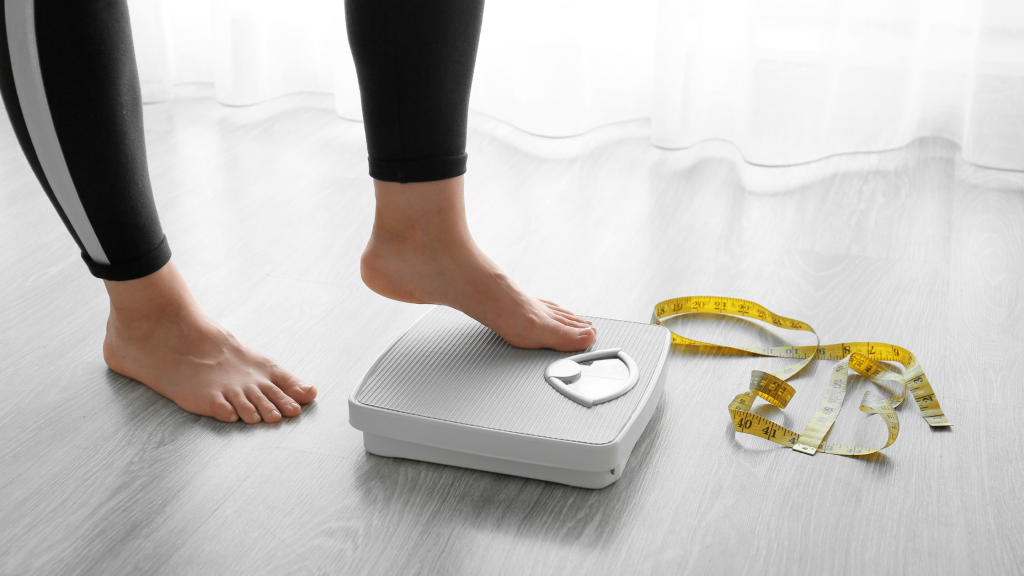
Motivation for weight loss often starts strong, but the moment the scale “stalls,” a feeling arises that the effort is pointless. I often hear: “I’ve been following the plan for weeks, and after the first few kilograms, the scale just stopped. Why should I continue?” This is the moment when people most often give up, even though real changes are actually happening in the body that the scale doesn’t register. Scientific research confirms that after just a few weeks, hormonal profiles begin to change, cortisol levels decrease, and insulin sensitivity increases — all of which are prerequisites for later weight loss. In other words, the body is preparing for results, even if the numbers don’t show it yet. This is precisely when it’s important to build psychological resilience and understand that the scale is not the only indicator of progress.
Where does weight loss motivation disappear?
The brain craves quick rewards, and when it doesn’t receive them, a sense of meaninglessness can arise.
One client told me she felt “like she was walking uphill with no end in sight.” When we started tracking other indicators — better sleep, easier breathing, more energy — she realized that change was, in fact, happening. Research shows that these “immeasurable” shifts are actually stronger predictors of long-term success than the number on the scale alone. Weight loss motivation isn’t just about the scale — it’s about the feeling that life is getting a little easier each week. When we accept that, the scale stops being the sole judge, and it becomes easier to stay on the path of change.
How to build new habits?
Studies on habit formation show that it takes an average of about 66 days for a new routine to become automatic.
This means that frustration during the first months is completely normal — the habit is still in its “trial phase.” One client who tracked his daily energy levels and mood noticed that his mood improved even when the scale didn’t move. That realization motivated him to keep going, and after ten weeks, the weight loss followed as well. Change is a process that both the body and the brain need time to ‘settle into.’
Stay on track with support
People give up most often when they’re alone. When someone has support — whether professional or personal — motivation tends to last longer.
That’s why at Celeste Balance we combine a nutritional plan with psychological support, because one without the other quickly falls short. Research by the American Psychological Association shows that programs including emotional support have twice the chance of long-term success (APA – Weight Control).
